KAIST · HCI Tech Lab
Welcome to HCI TECH LAB!
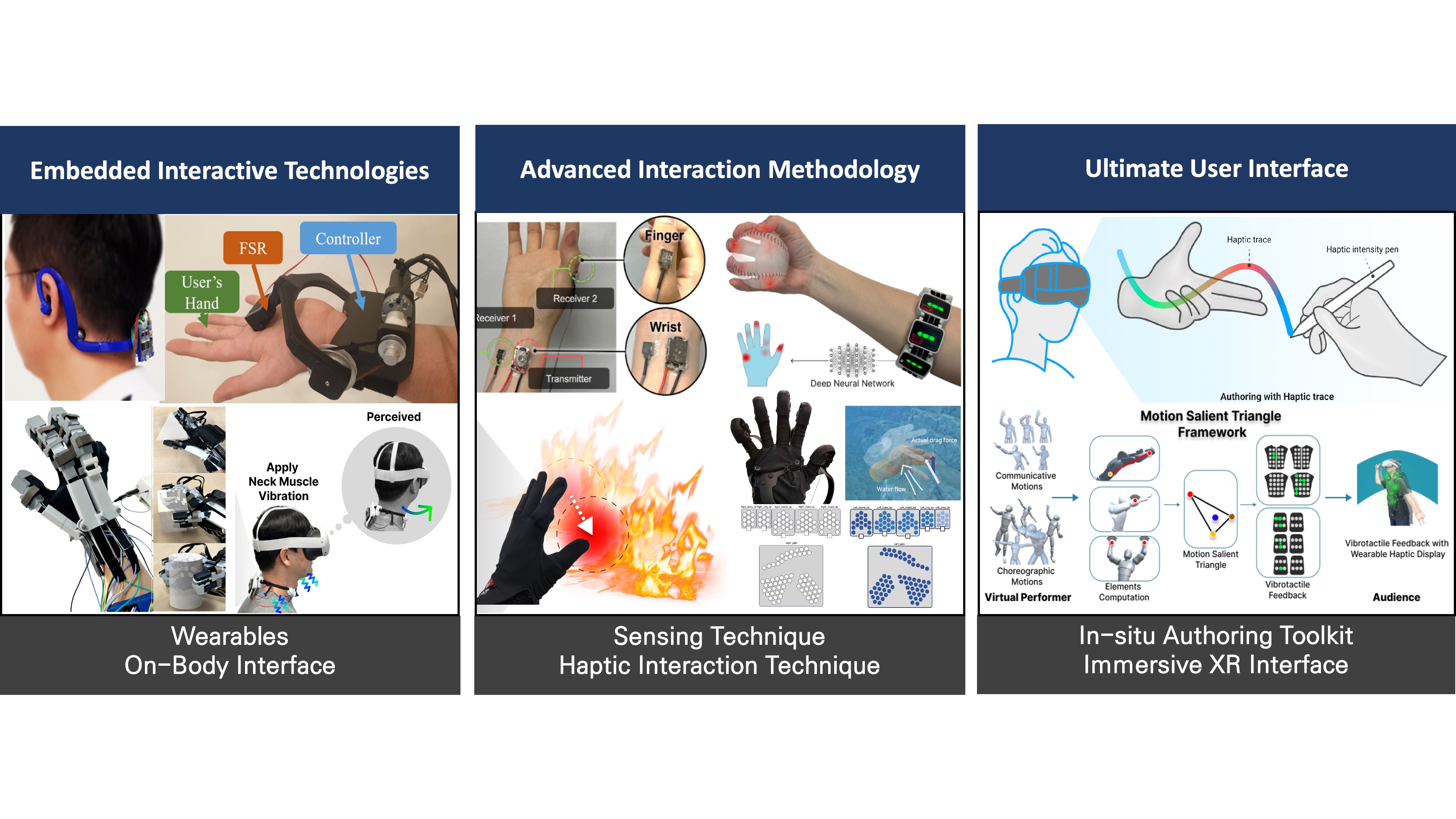
Pioneering Embodied and Physical Human–AI Interaction
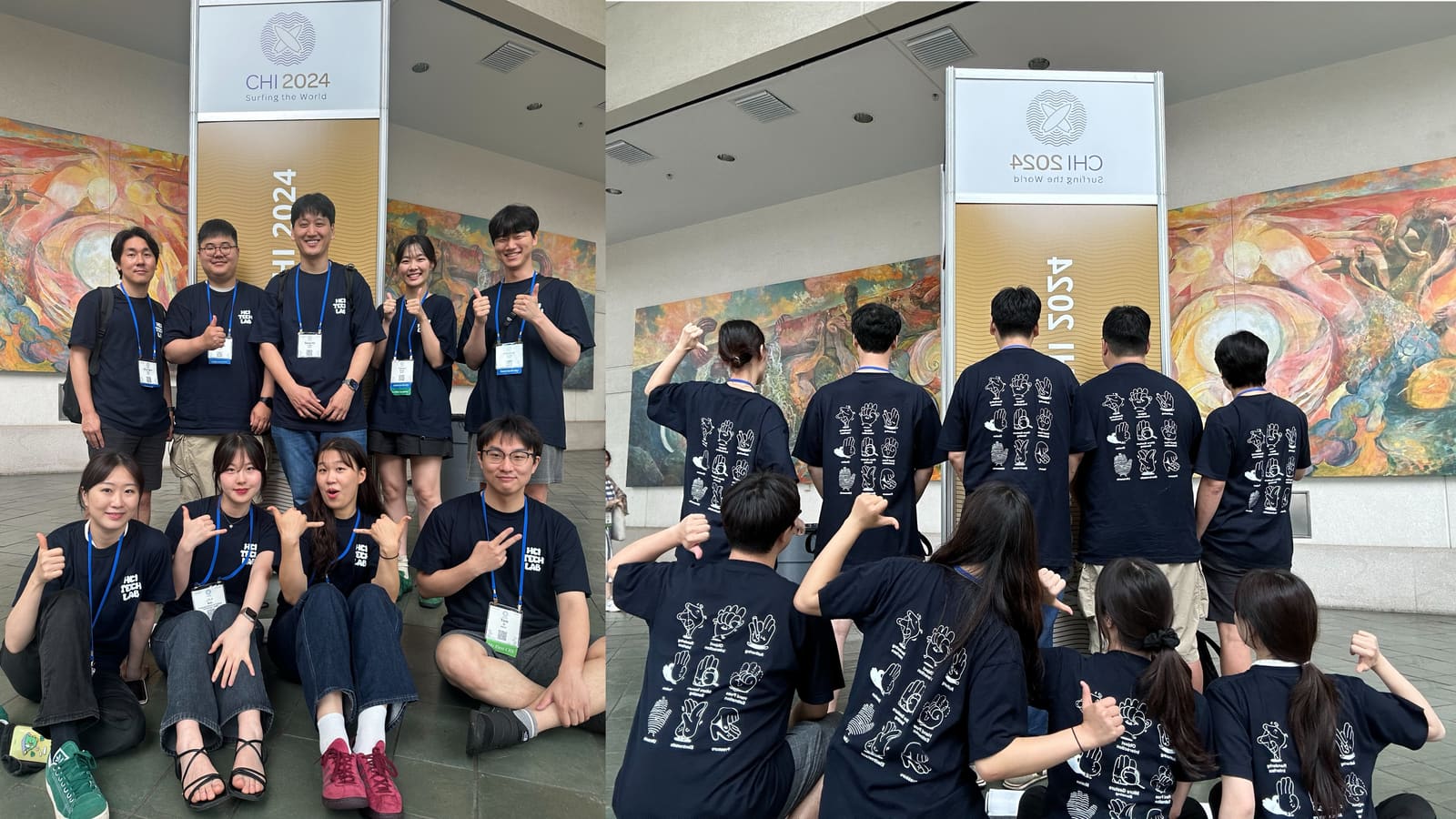
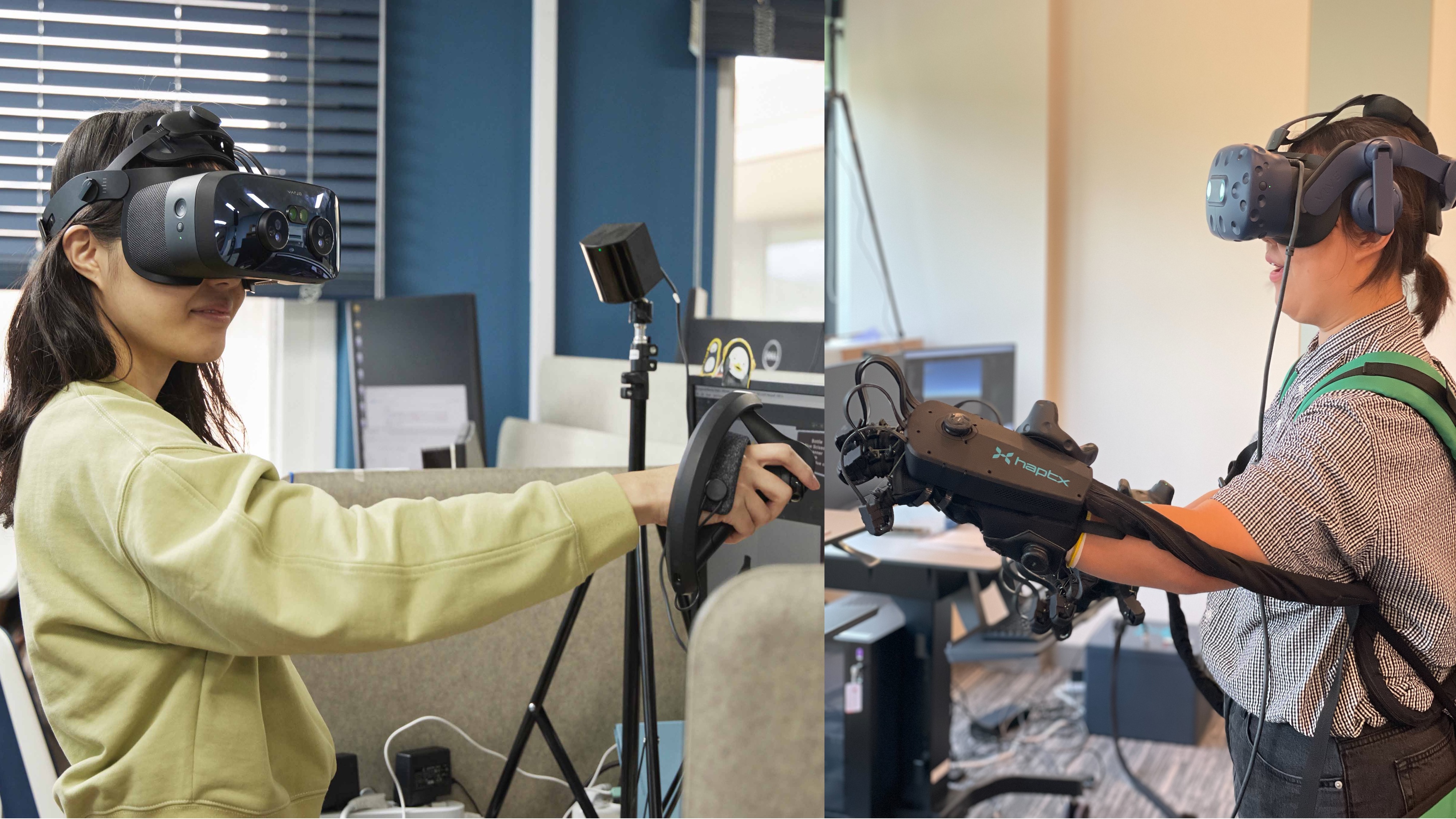
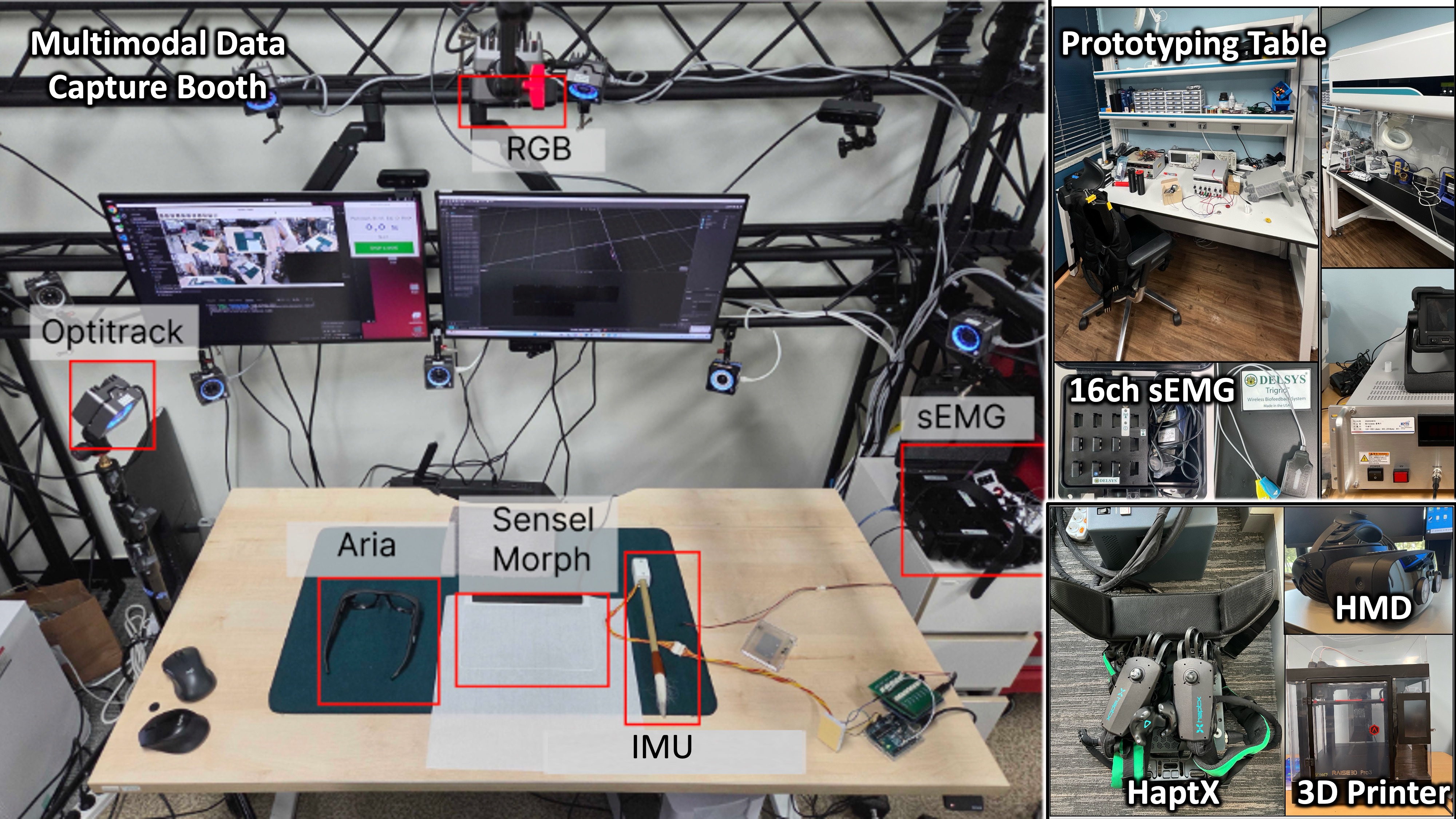
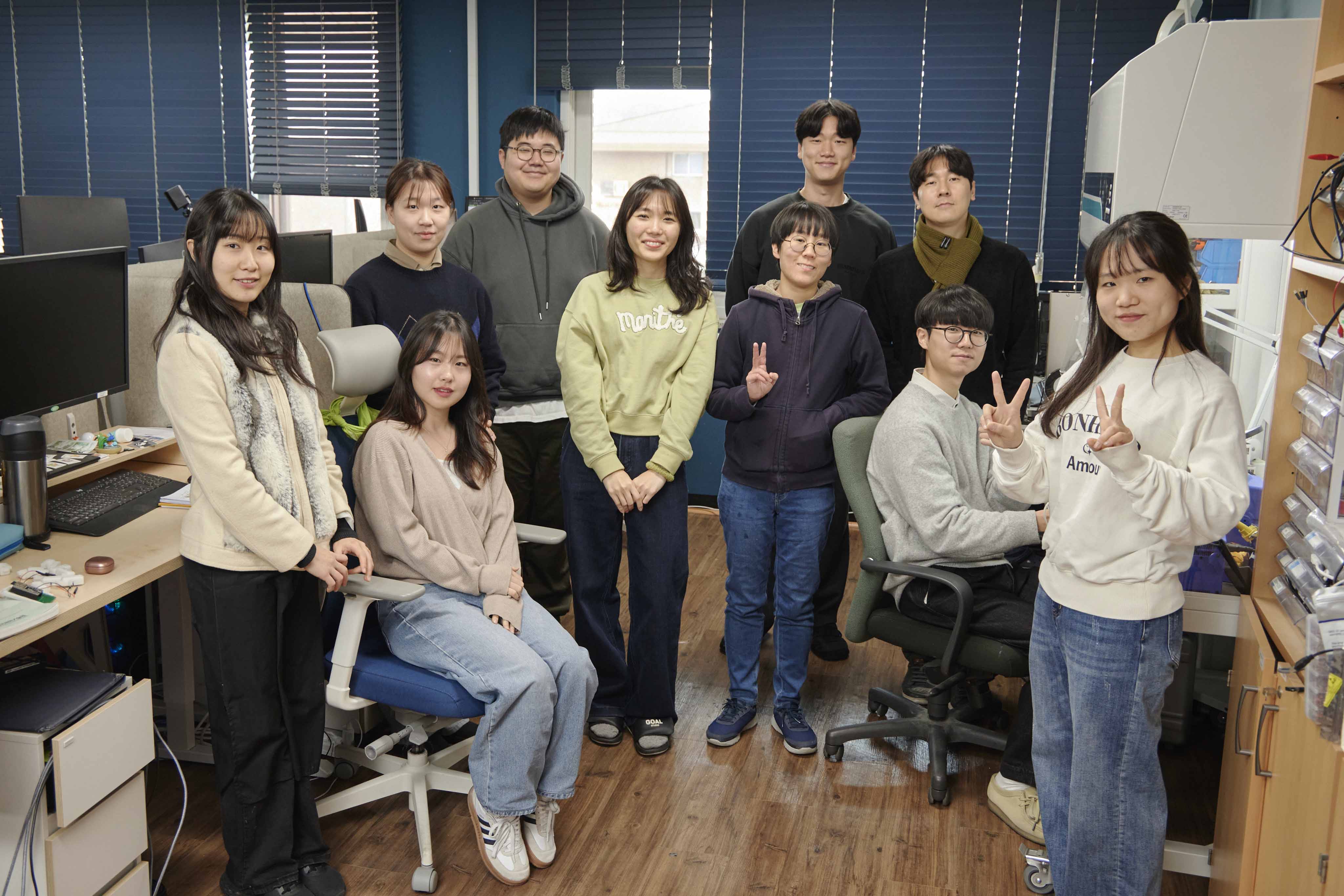
The Human-Centered Interactive Technologies Laboratory (HCI Tech Lab) is a multidisciplinary research group at KAIST. Our mission is to empower human potential by bridging the physical and digital worlds through embodied intelligence (Physical AI) and immersive technologies (XR).
Advanced Sensing TechnologyMultimodal Haptic TechnologyAuthoring User Experience
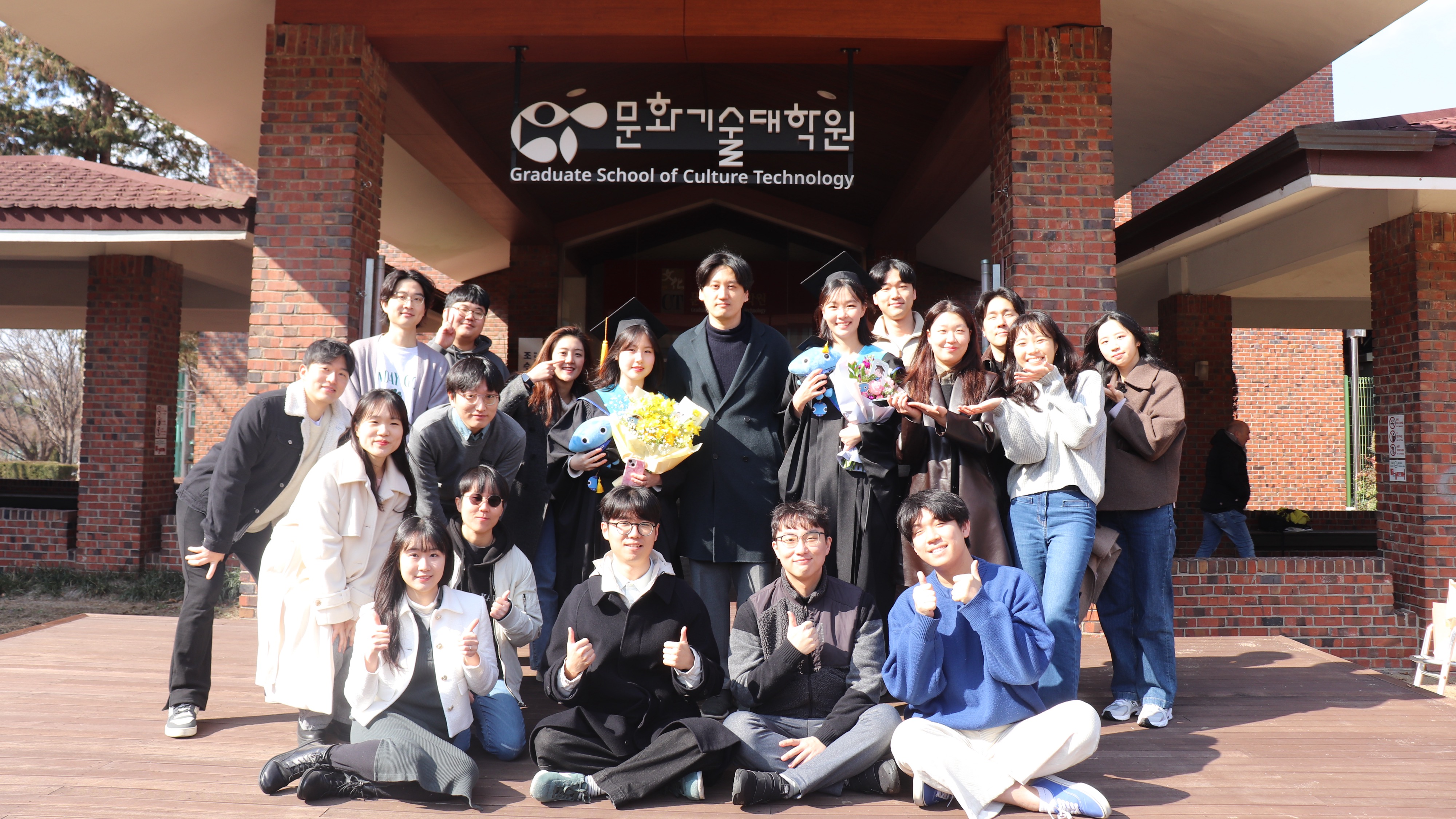
Graduation Ceremony, KAIST
Feb, 2026
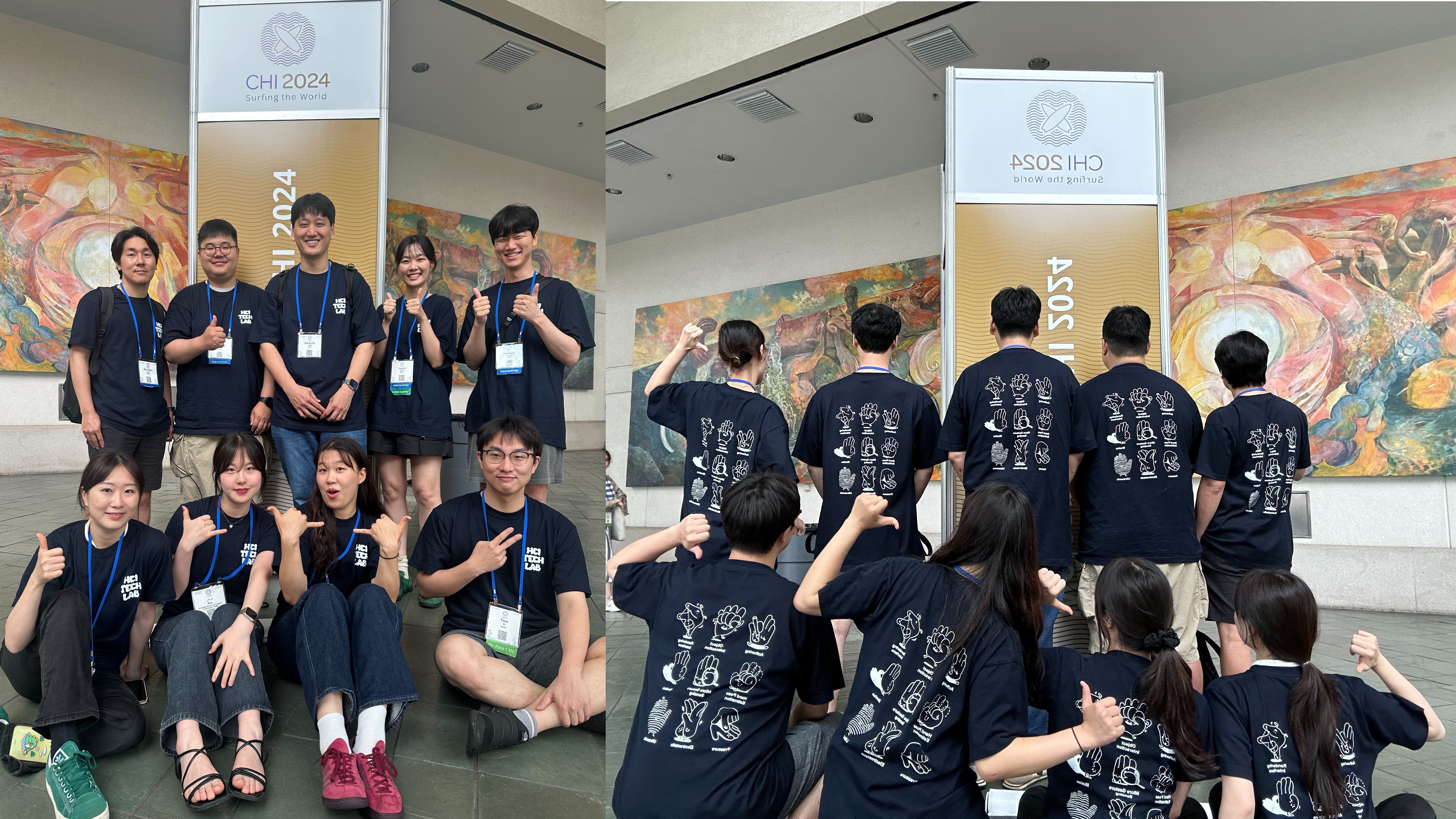
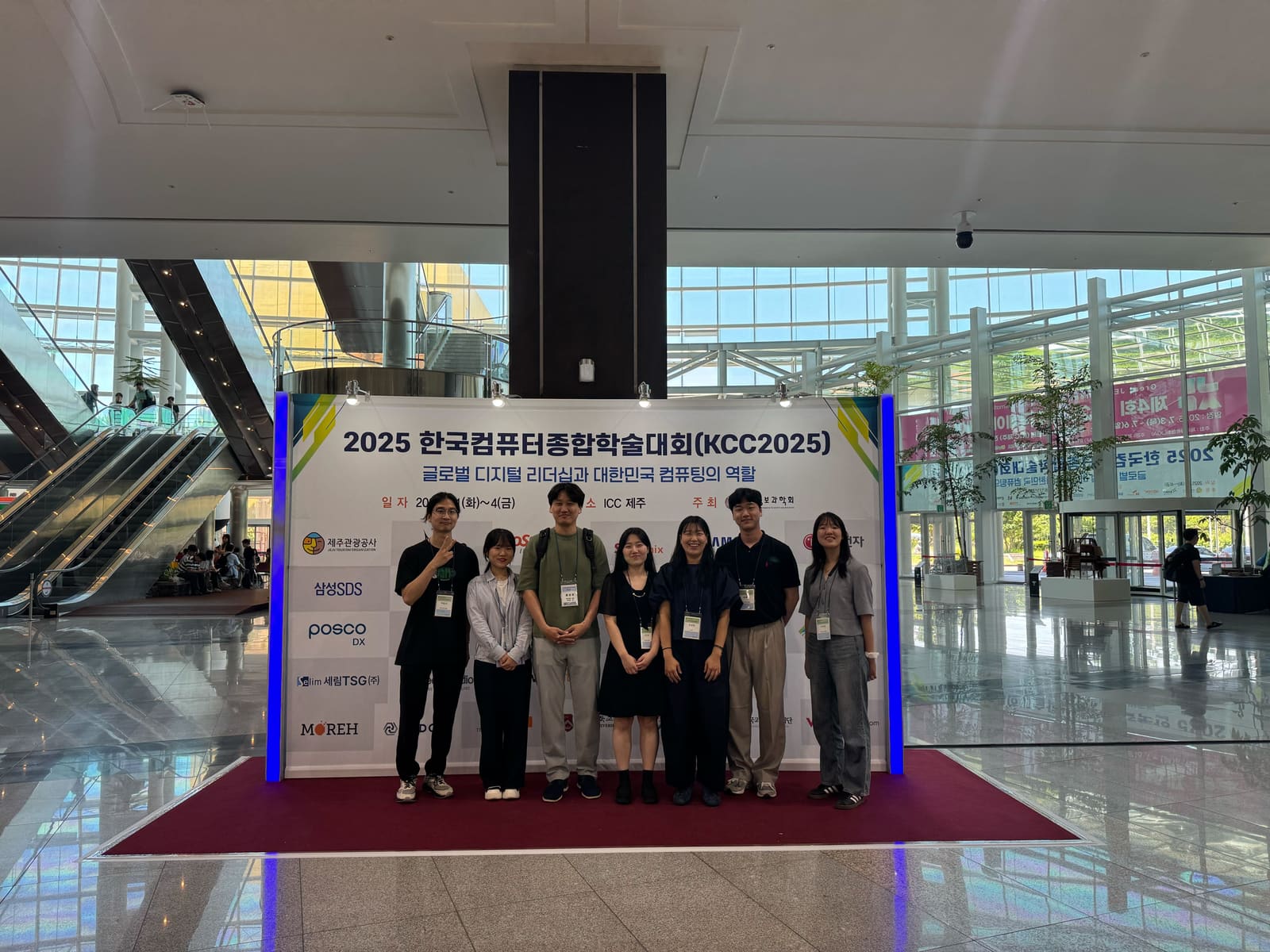
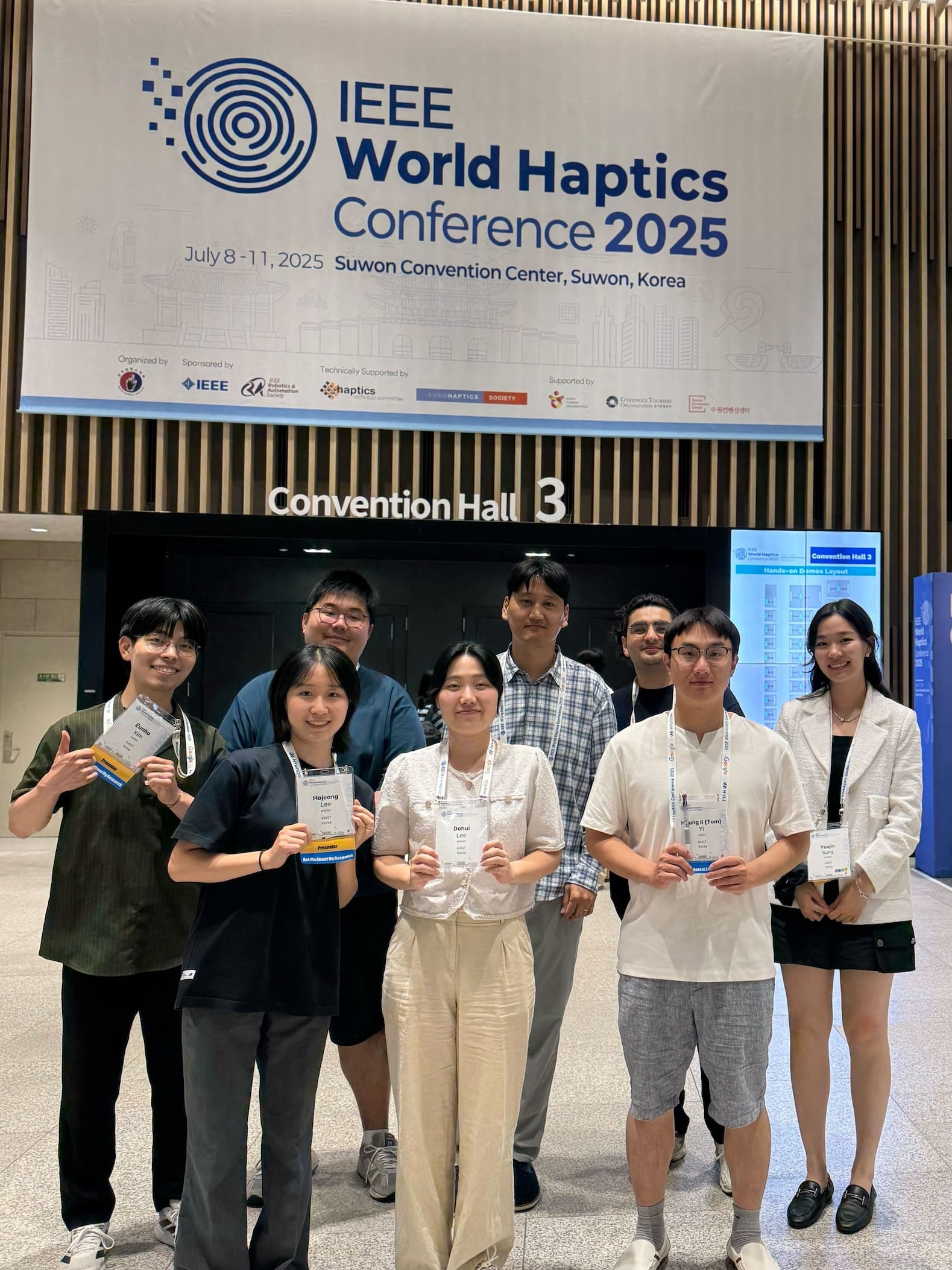
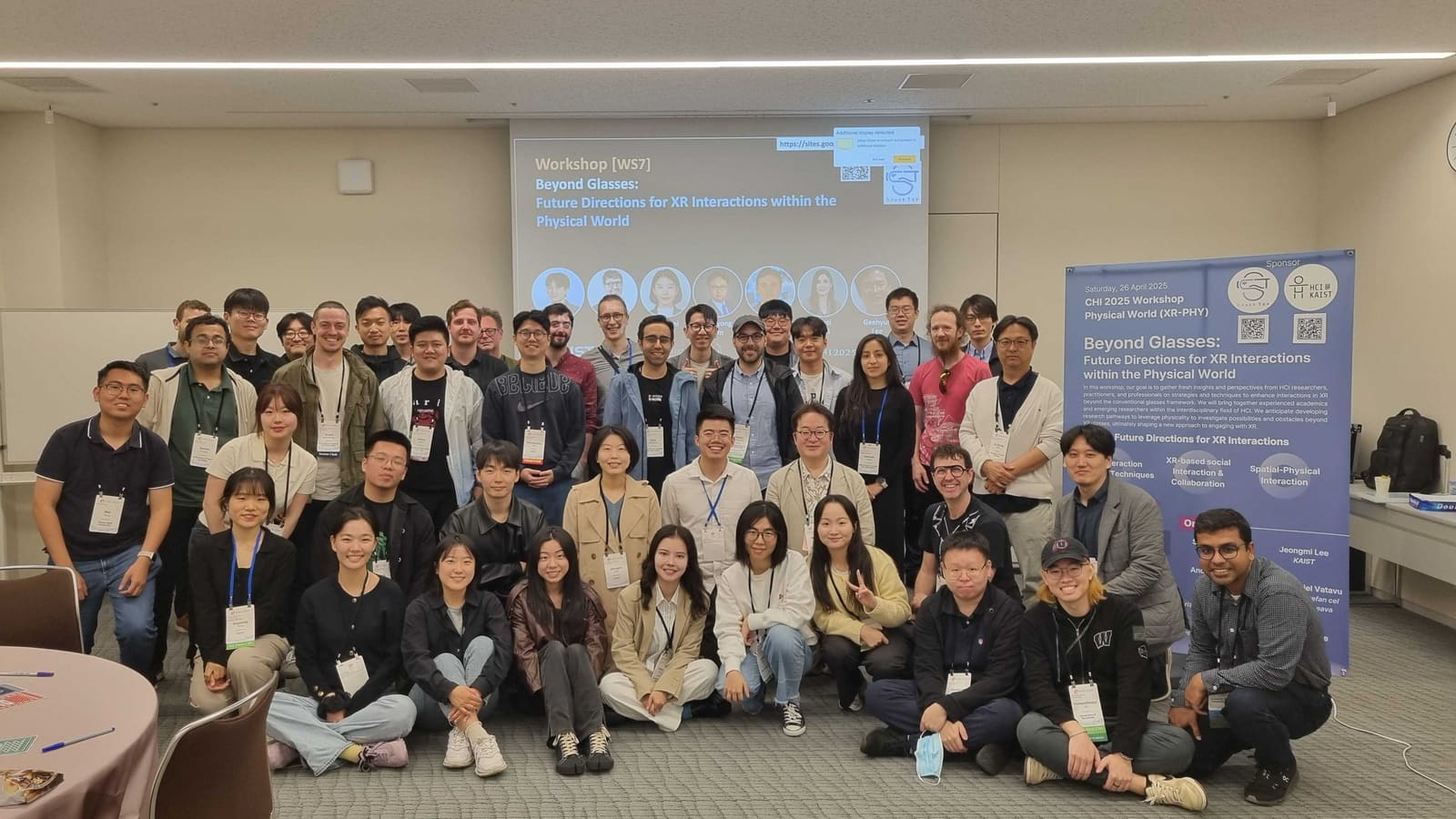
1 / 13
Latest from the lab
All News ↗News
Latest news from HCI Tech Lab
News
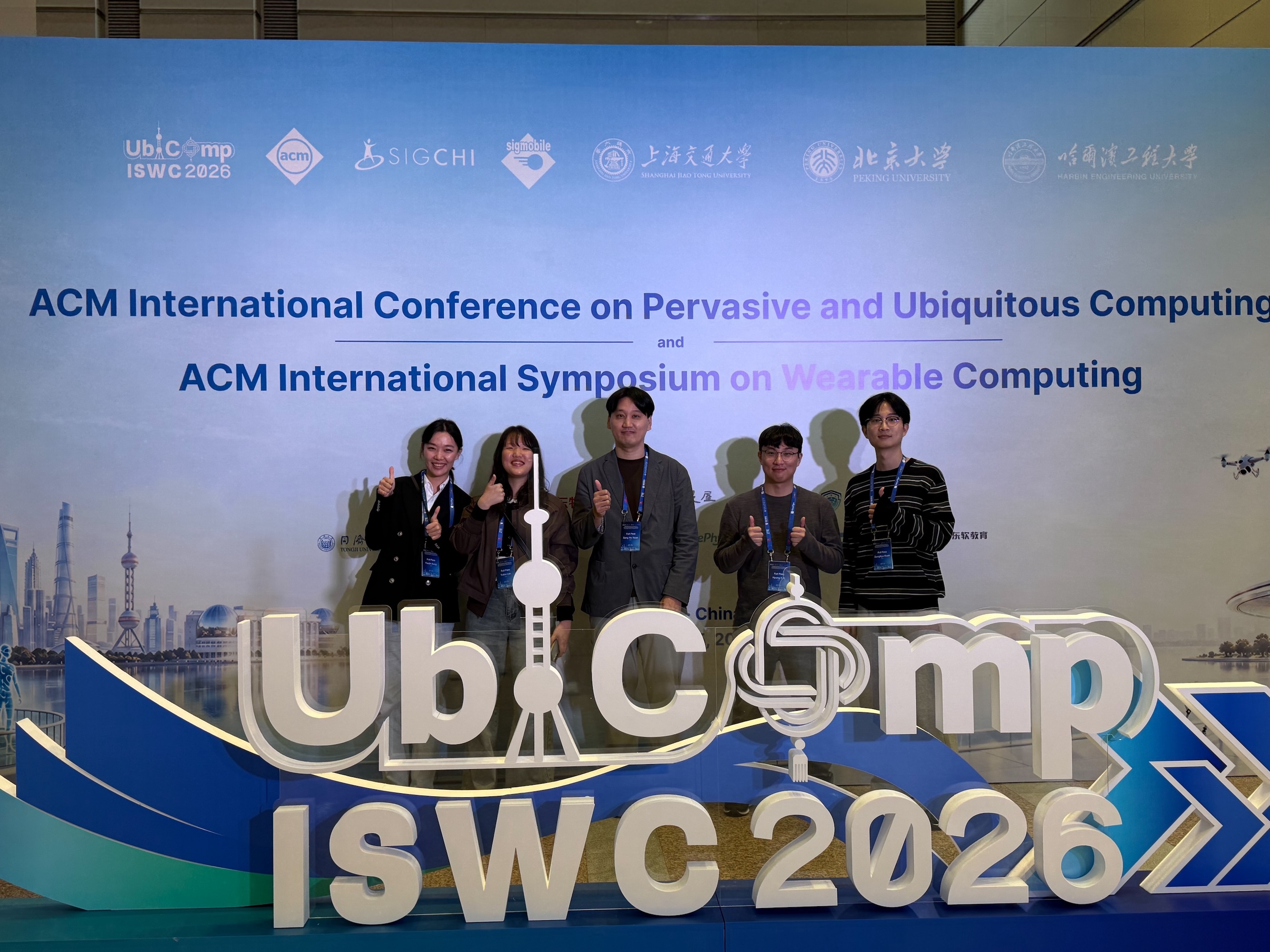
UbiComp 2026 Participation
Oct 16 2026
News
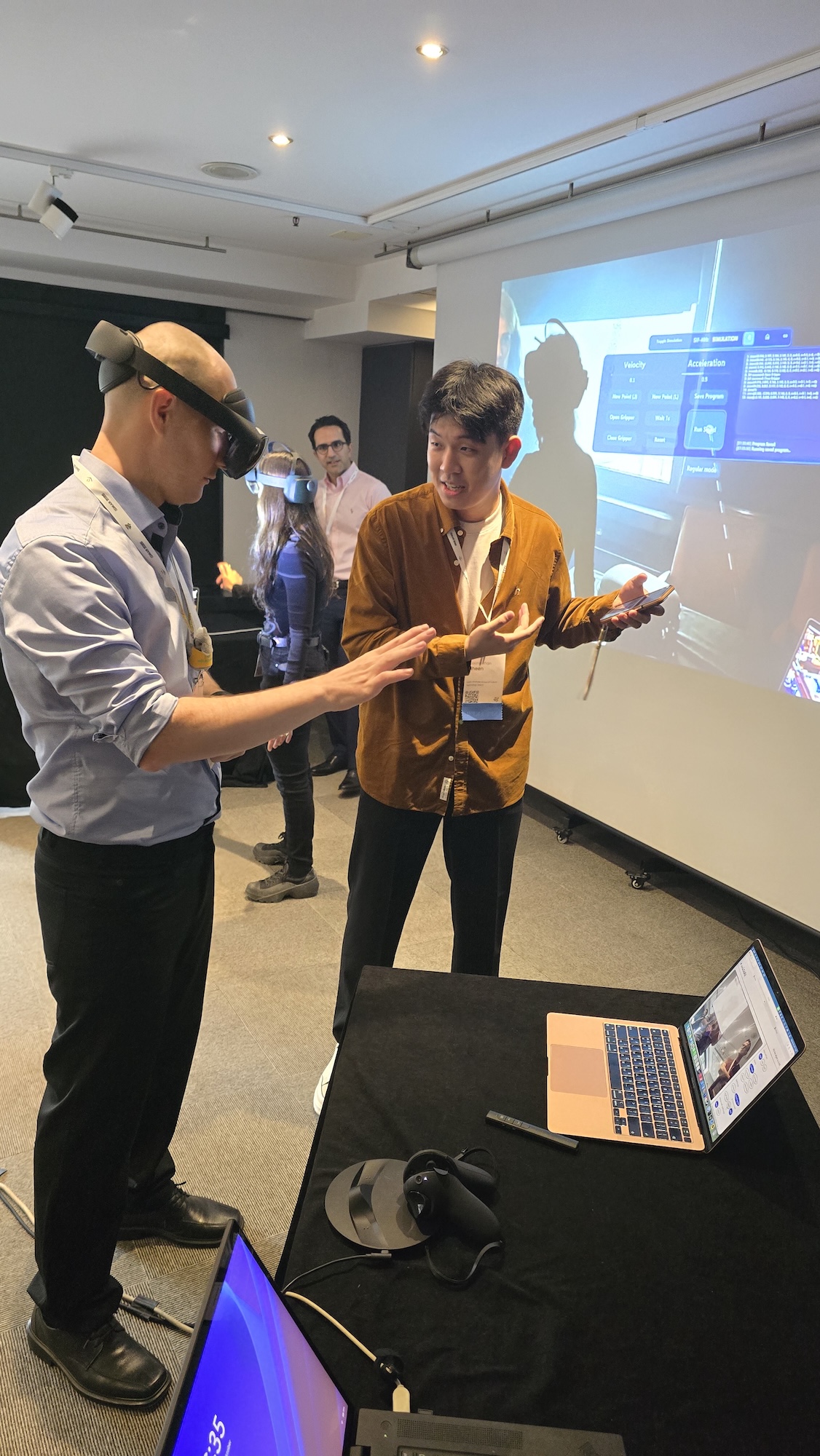
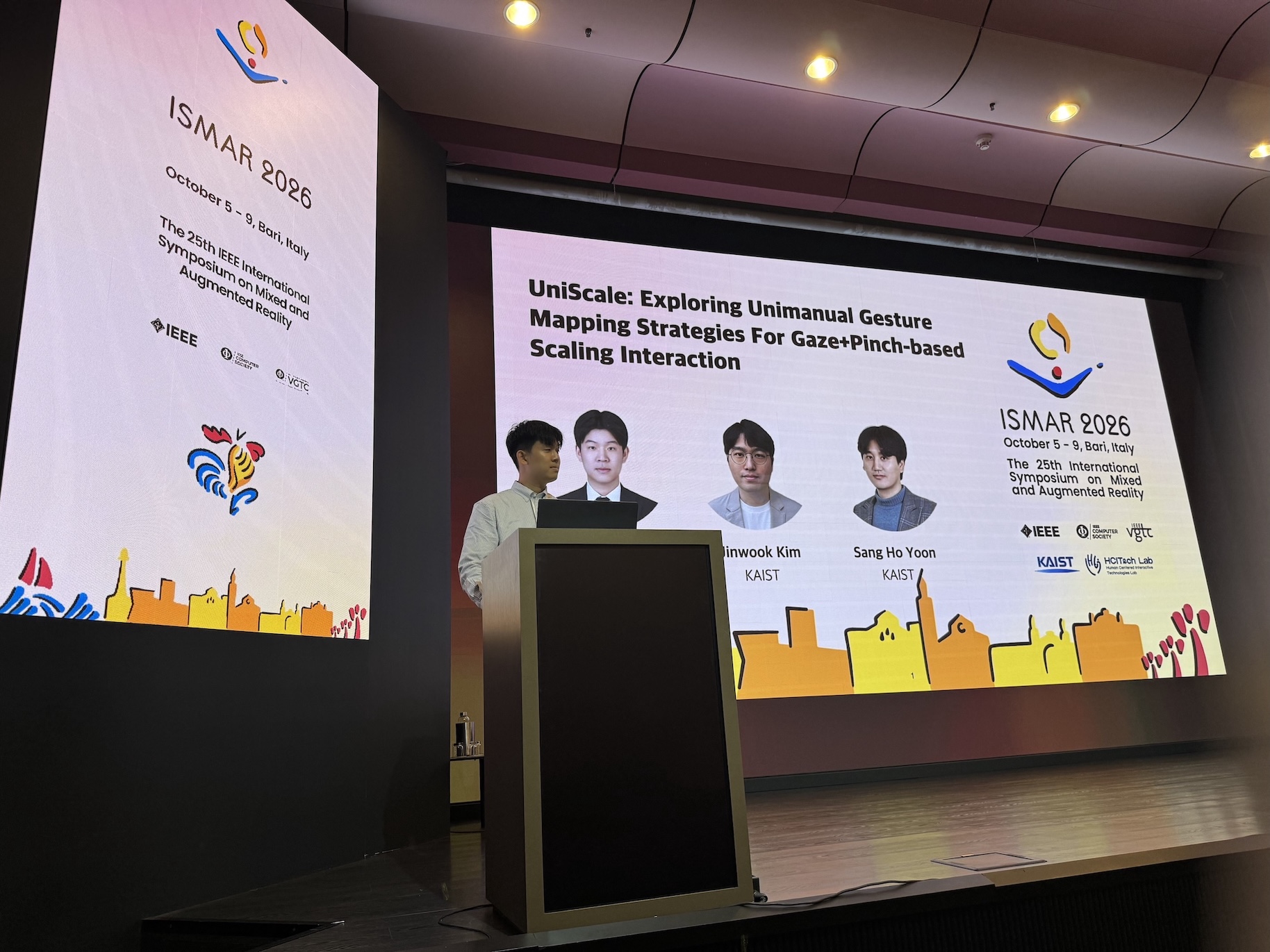
ISMAR 2026 Participation
Oct 6 2026
News
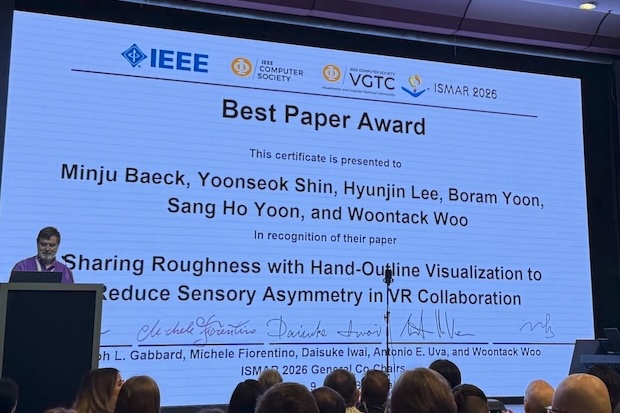
Best Paper Award for ISMAR 2026
Oct 7 2026
A paper Sharing Roughness with Hand-Outline Visualization to Reduce Sensory Asymmetry in VR Collaboration led by Minju wins Best Paper Award (<1%) for ISMAR 2026!'
News
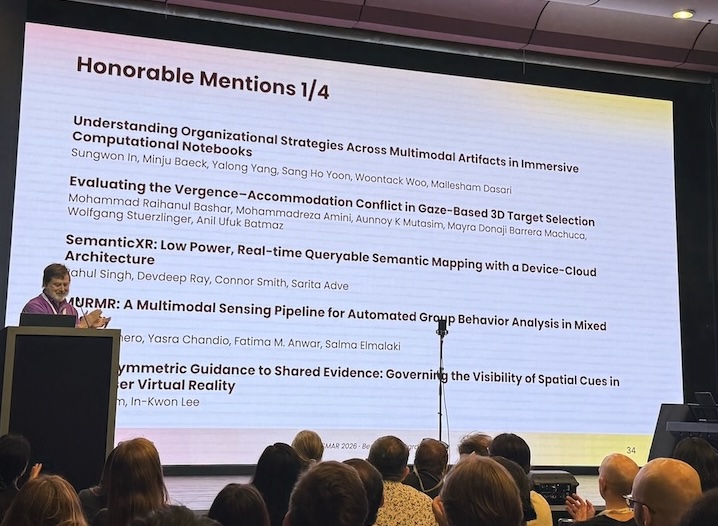
Honorable Mention Award for ISMAR 2026
Oct 7 2026
A collaborative paper Understanding Organizational Strategies Across Multimodal Artifacts in Immersive Computational Notebooks with Georgia Tech and Northeastern University (led by Minju on our side) wins Honorable Mention Award (<5%) for ISMAR 2026!'
Publication
A paper accepted to NeurIPS 2026 Evaluations and Datasets
Sep 26 2026
Our paper HAPACT: A Benchmark For Human-Centric Physical Impact Localization in Movies led by Youngrae is accepted to NeurIPS2026 Evaluations and Datasets Track.

News
Graduate Students
Aug 31, 2026
Welcome our new Ph.D. students Kyoungwhan Mheen, Dohui Lee and MS students Yejin Jang!
News
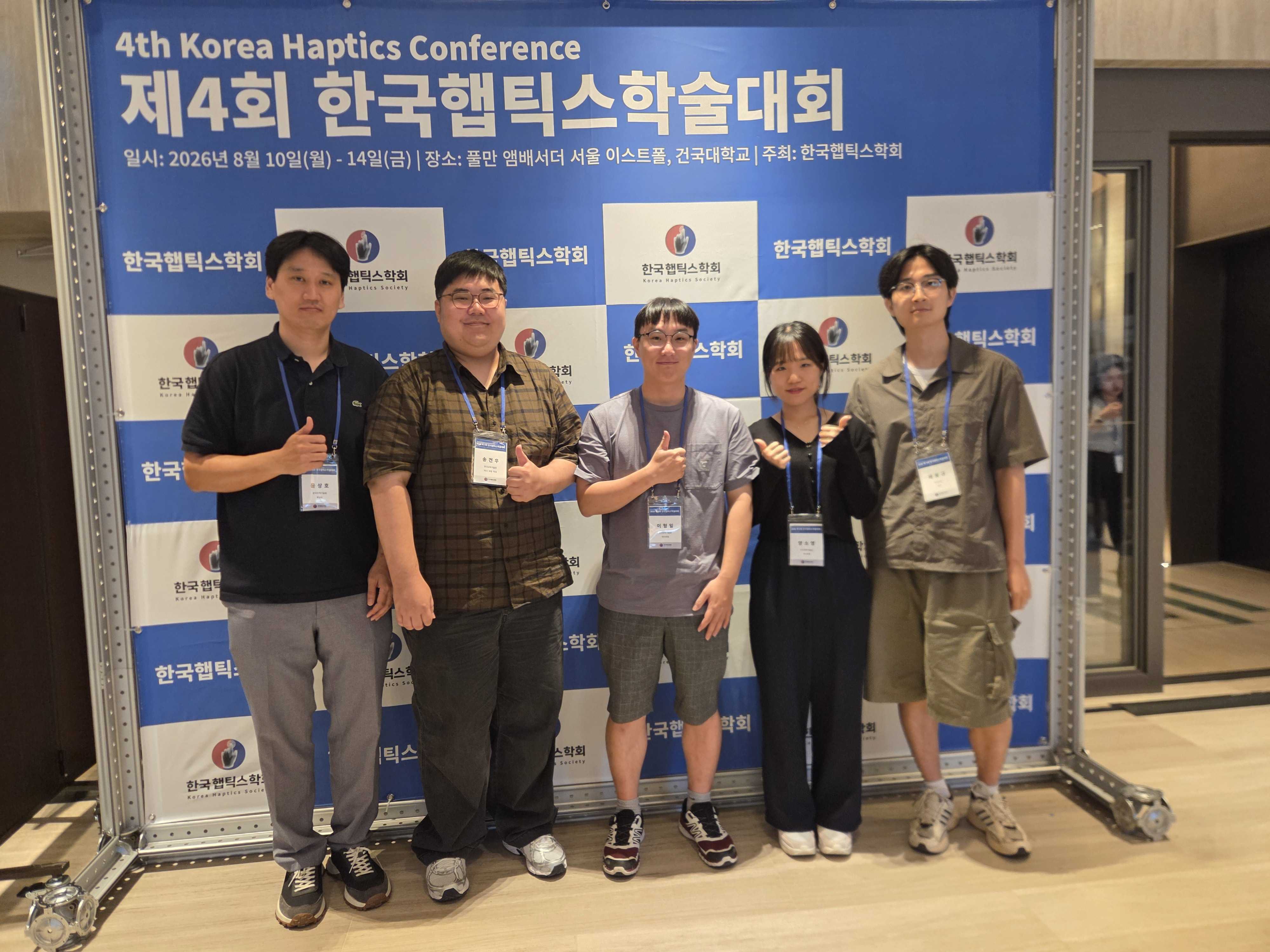
KHC 2026 Participation
Aug 11 2026
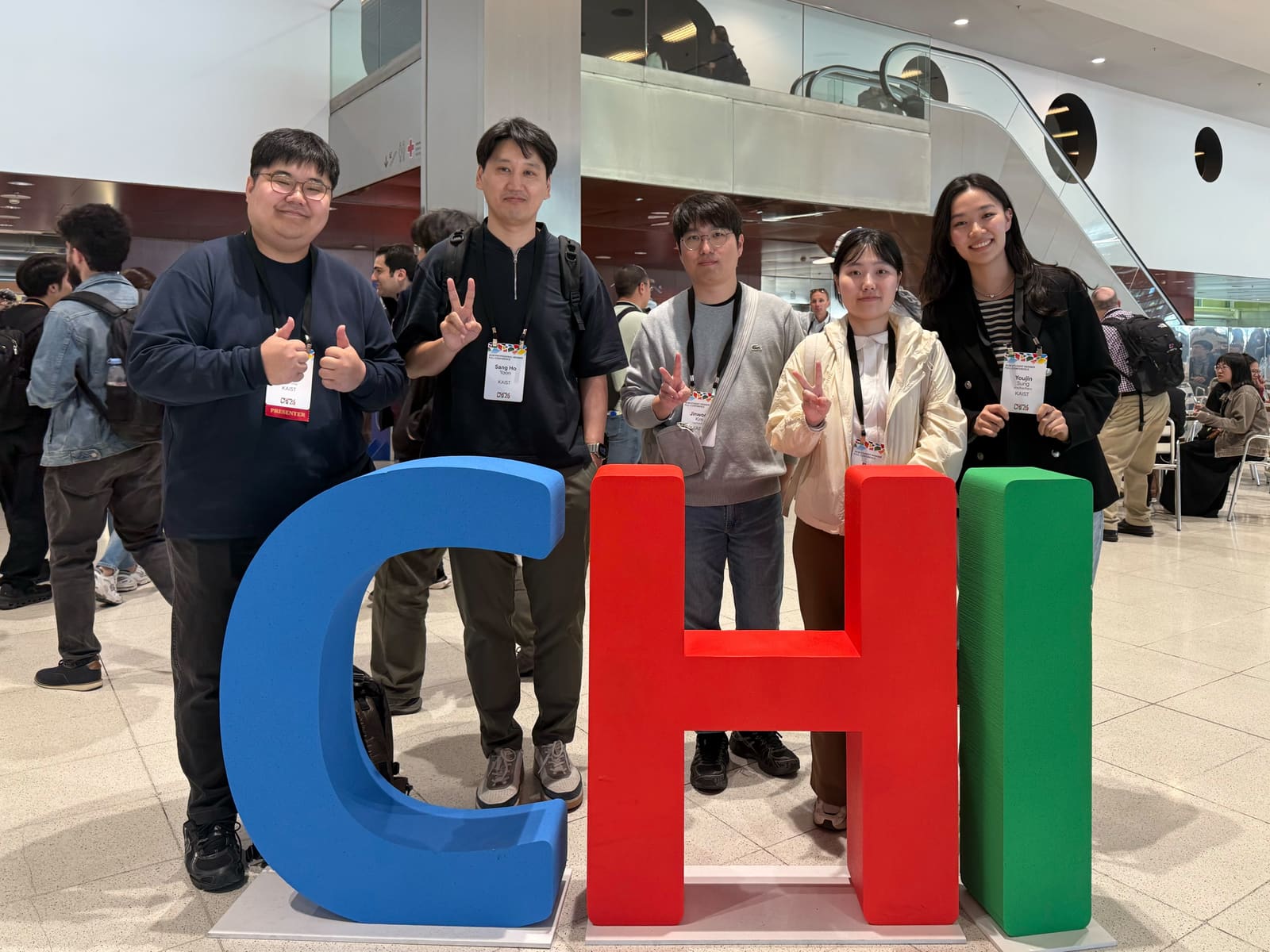
Our lab participated in the 4th Korea Haptics Conference. HyungIl, Dongkyu, Soyeong, and KunWoo presented their works.
News
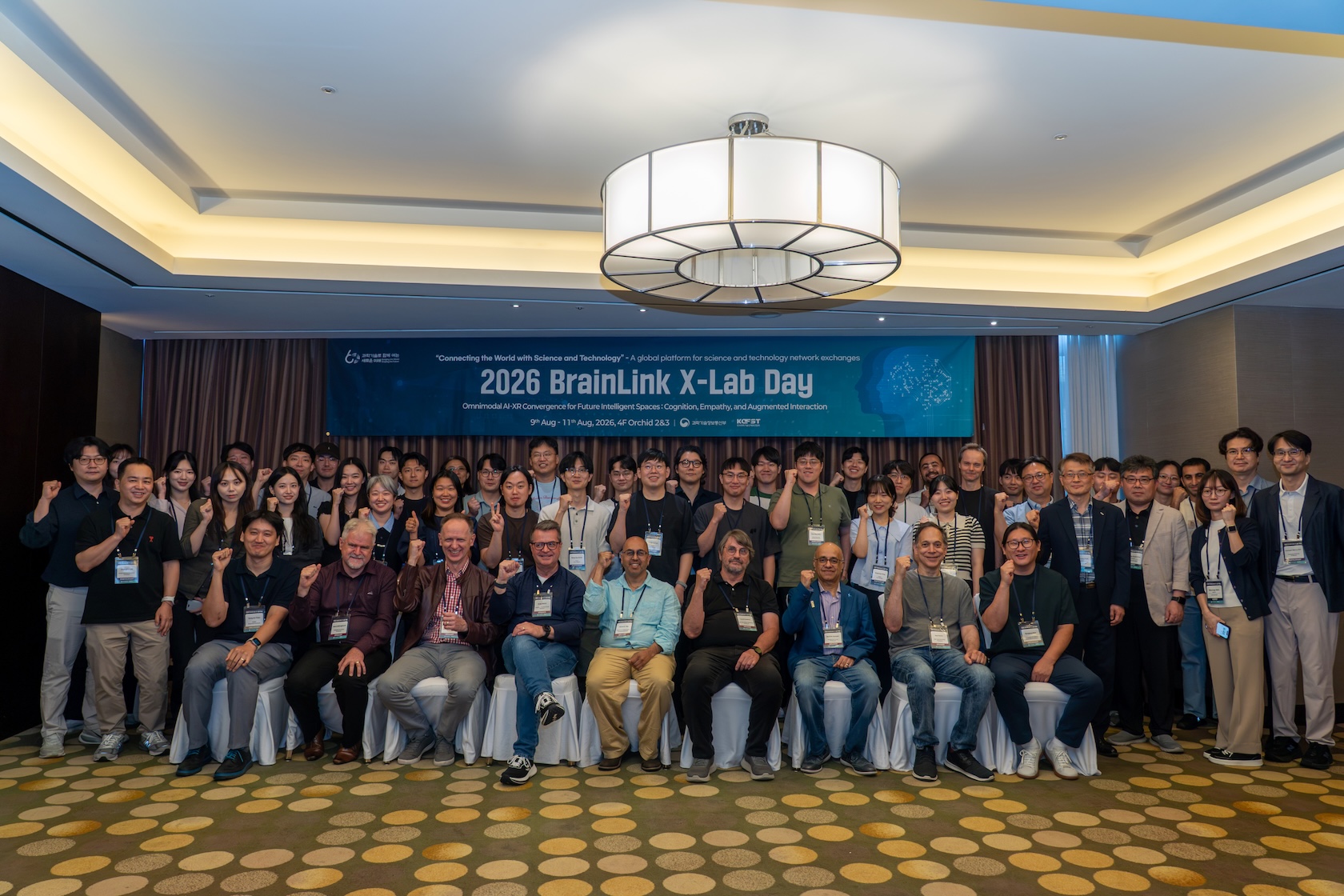
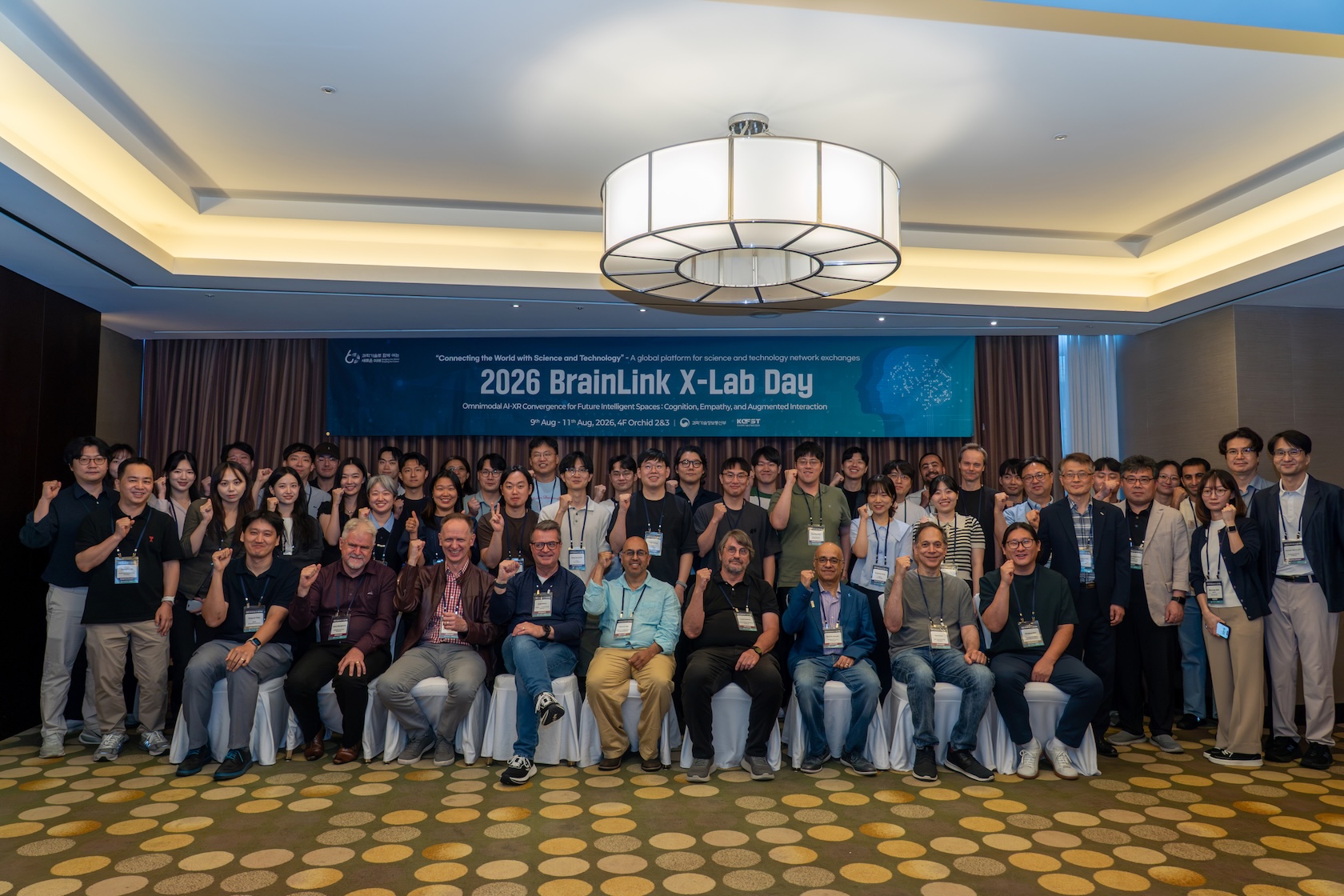
BrainLink X-Lab Day
Aug 9 2026
Our lab successfully held BrainLink X-Lab Day on "Omnimodal AI-XR Convergence for Future Intelligent Spaces: Cognition, Empathy, and Augmented Interaction".
Selected work
Research
Highlighted & Recent Publications from HCI Tech Lab
Recent Publication
All Publication ↗DOBI: Dynamic Opportunistic Body Input via Spare Joint Recruitment for Hands-Free XR
ACM UIST 2026
UniScale: Exploring Unimanual Gesture Mapping Strategies for Gaze+Pinch-based Scaling Interaction
IEEE Transactions on Visualization and Computer Graphics (TVCG/ISMAR2026)
A Novel Flexible Shaft-driven Mechanism for Multidirectional Active Force Feedback in Haptic Gloves: A Preliminary Study
IEEE Robotics and Automation Letters (RA-L)
VibGrasp: Spatiotemporal Vibration Based Multimodal Haptic Rendering with a Lightweight Exo-Glove for 3D Shape Perception
IEEE Transactions on Haptics (TOH)
Inside the lab